
Compare Local Contractors for Effective Fly Control Services
Compare local contractors for fly control to define scope, verify experience, and establish clear expectations for effective property pest management.
Fly control services typically encompass a range of methods aimed at reducing or eliminating flies from residential and commercial properties. These services often include identifying problem areas, implementing targeted treatments such as traps or insecticides, and advising on sanitation practices to prevent future infestations. Properly addressing fly issues requires understanding the specific conditions of a property, such as waste management, standing water, or food sources, to develop an effective plan tailored to the environment.
Defining the scope of work is a crucial step when selecting a contractor for fly control. Clear communication about what needs to be addressed ensures that both property owners and service providers have aligned expectations. Outlining specific tasks-whether it’s a one-time treatment or ongoing maintenance-helps avoid misunderstandings and ensures the chosen contractor has the experience and resources to meet those needs. Having a written agreement detailing the scope also provides a reference point for evaluating the work performed.
Property owners can benefit from comparing local contractors by considering their experience with similar properties and the types of fly issues encountered. It’s helpful to verify whether contractors have a history of handling fly control in environments comparable to the property in question. Asking for details about their methods and how they plan to address the specific problem can assist in making an informed decision. Additionally, reviewing how contractors define and document the scope of work, as well as their communication practices, can contribute to a smoother process and successful results.
Compare local contractors by outlining your needs, verifying experience, and setting clear expectations in writing.
- Compare Contractor Options - Review local service providers to identify those with relevant experience in fly control.
- Define Service Scope - Clearly outline the specific fly control tasks and areas to ensure mutual understanding.
- Verify Experience and Qualifications - Assess the background and expertise of contractors to select qualified service providers.
- Document Expectations in Writing - Establish and agree upon service details and responsibilities through detailed documentation.
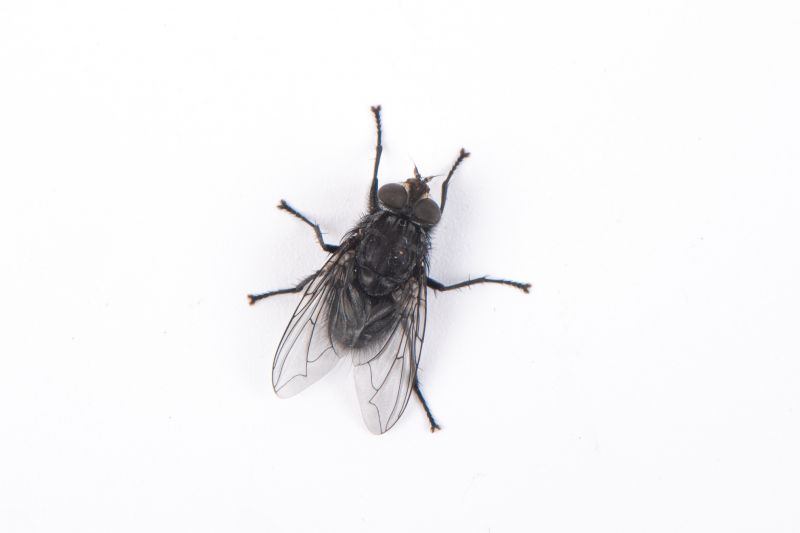
Clearly describe your fly control project to compare contractors effectively and ensure all expectations are documented.
- Verify the contractor’s experience with fly control services to ensure familiarity with local pest issues. - Look for clear descriptions of the scope of work to understand what is included in the service.
- Compare the methods and products used by different service providers to find those that align with your preferences. - Ensure the contractor provides detailed explanations of their treatment approach and techniques.
- Check that the contractor offers a written scope of work and service agreement to set clear expectations. - Confirm that all service details, responsibilities, and follow-up procedures are documented.
- Assess the contractor’s ability to identify common fly entry points and breeding sites in your area. - Look for expertise in inspecting and addressing potential problem areas around your property.
- Ensure the service provider can provide references or examples of previous fly control projects upon request. - This helps verify their experience and effectiveness in managing fly issues.
Compare local contractors' experience and clarify project scope to ensure effective fly control solutions.
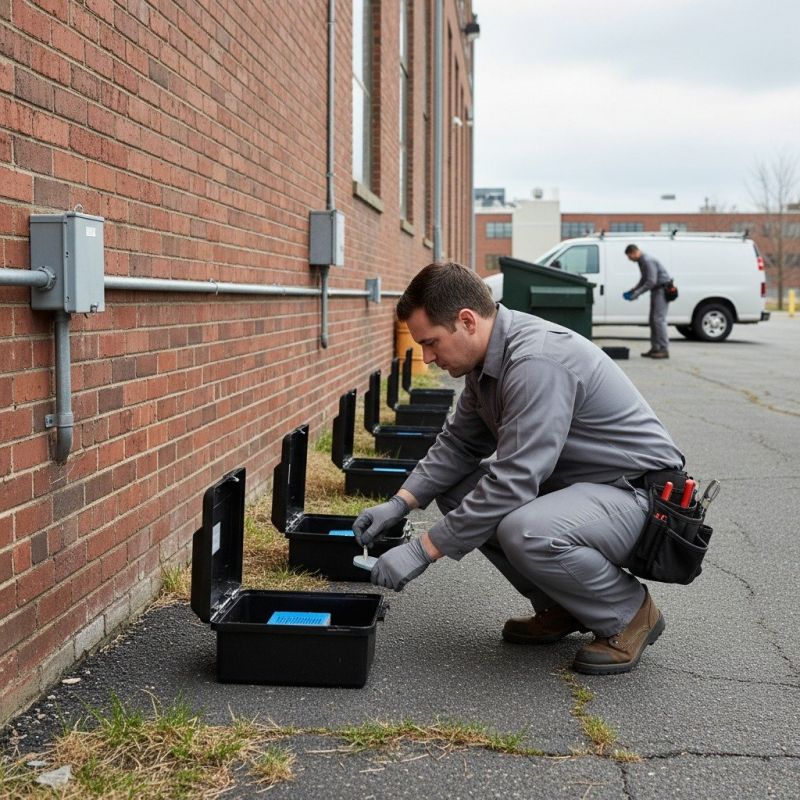

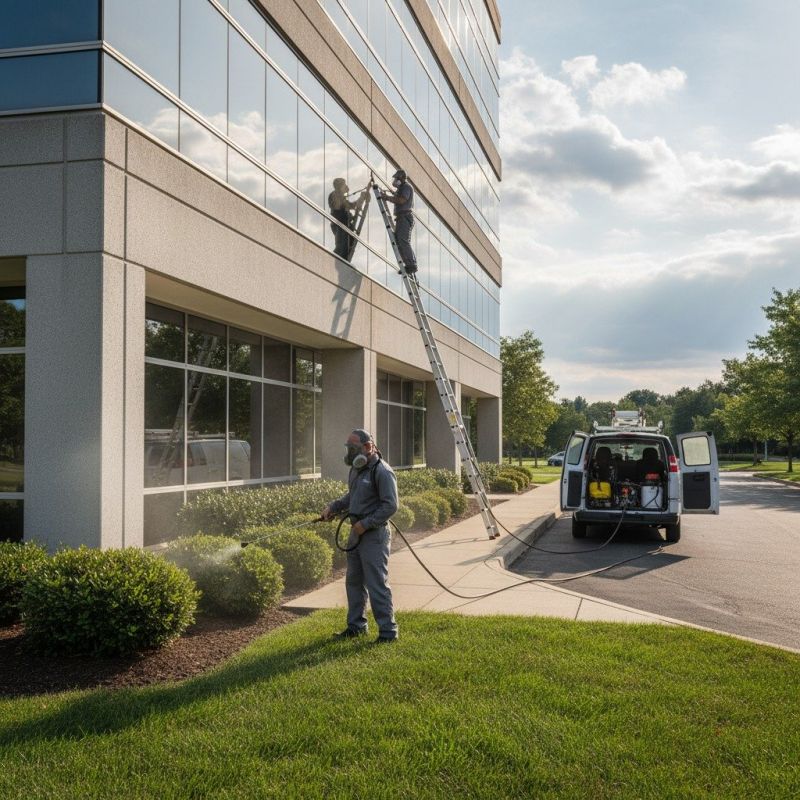
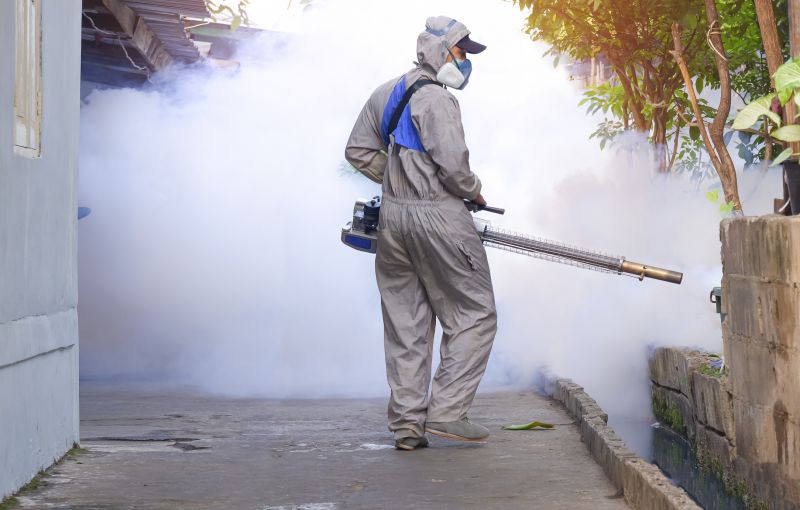
This scope builder helps compare local contractors for fly control services by clarifying work details and experience.
- Scope Definition - Clearly outline the specific fly control services required, including treatment areas and methods.
- Experience Verification - Confirm that the service providers have relevant experience handling fly control in similar environments.
- Service Details - Specify the techniques, products, and equipment that will be used during the treatment process.
- Exclusions and Limitations - Identify any services or areas that are not included in the scope of work to prevent misunderstandings.
- Written Agreement - Ensure all scope details and expectations are documented in a formal agreement before work begins.
When comparing contractors for fly control services, it’s important to consider their experience with similar projects. Homeowners should inquire about the types of properties and environments the service providers have worked with, ensuring they have a track record of effectively managing fly issues in settings comparable to the home’s location. A contractor’s familiarity with specific challenges, such as outdoor versus indoor spaces or commercial versus residential properties, can influence the quality and appropriateness of the treatment approach.
A clear, written scope of work is essential for setting proper expectations. Homeowners should seek detailed descriptions of the services included, such as the methods used, areas covered, and any follow-up procedures. Having this information documented helps avoid misunderstandings and provides a basis for evaluating whether the contractor’s proposed approach aligns with the homeowner’s needs. It also serves as a reference point for future discussions or adjustments to the service plan.
Verification basics involve confirming that service providers can demonstrate their experience and expertise in fly control. Homeowners are encouraged to ask for references or examples of past projects similar in scope and complexity. Additionally, understanding the contractor’s process for assessing the property and identifying fly sources can help determine their competence. While formal licensing or certification are not always required, a contractor’s willingness to share relevant experience and a transparent approach to their methods can indicate reliability.
Evaluating options without focusing on prices involves examining how well each contractor’s approach, experience, and scope of work match the homeowner’s specific needs. Homeowners should compare the clarity of the service descriptions, the professionalism of the communication, and the level of detail provided in proposals. Asking questions about the methods used and how they address the unique aspects of the property can help identify service providers who are thorough and knowledgeable. This approach ensures that homeowners select a contractor capable of delivering effective fly control tailored to their environment.
Ask contractors to provide written scope details to ensure clarity and consistency throughout the fly control project.
- Experience and Expertise - What experience do the local contractors have specifically with fly control services?
- Scope of Services - How do the contractors define the scope of work included in their fly control solutions?
- Methods and Techniques - What methods or techniques do the service providers use to manage fly problems?
- Warranty and Follow-up - Do the contractors offer any written guarantees or follow-up services for their fly control work?
- Comparison and Credentials - How can the scope, approach, and credentials of different local contractors be compared effectively?
How can I compare contractors for fly control services? To compare local contractors, review their experience, scope of work, and reputation through customer reviews or references, and ensure they clearly outline the services they provide.
What should I consider when defining the scope of fly control work? Clearly specify the areas to be treated, types of flies to target, and any specific concerns or restrictions to ensure contractors understand the full extent of the service needed.
How can I verify the experience of a fly control contractor? Ask contractors about their previous work with similar properties or situations, and request references or case studies that demonstrate their expertise in fly management.
Why is it important to have the scope and expectations in writing? Documenting the scope and expectations helps prevent misunderstandings, ensures all parties agree on the work to be performed, and provides a clear reference for the project.
What questions should I ask a contractor before hiring for fly control? Inquire about their approach to fly management, types of treatments used, safety protocols, and how they tailor services to different environments or property types.
How can I ensure a contractor is qualified to handle my fly control needs? Confirm that the contractor understands your specific requirements, has relevant experience, and provides detailed information about their methods and scope of work.
By reviewing the information provided, visitors can better understand how to identify qualified contractors for fly control services, clarify the scope of work, and verify relevant experience. Setting clear expectations in writing helps ensure a smooth process and a successful outcome. Utilizing the quote form allows for easy comparison of local service providers, making it simpler to find the right fit for specific needs.
Taking a moment to compare and connect with local contractors through the quote form empowers visitors to make informed decisions about fly control services. Gathering details about each provider’s offerings and experience can help set the foundation for a professional partnership. This approach supports choosing the best service provider to handle fly control needs effectively.