
How Routine Pest Control Helps Prevent Major Infestations
Routine pest control services help prevent major infestations by regularly eliminating pests before they multiply, with local contractors ready to keep your home pest-free.
Understanding how routine pest control helps prevent major infestations is essential for property owners looking to protect their homes and businesses. Regular pest management services provided by local contractors can address early signs of pest activity, reducing the likelihood of small issues escalating into large, costly problems. By maintaining a consistent approach, property owners can stay ahead of pests that tend to multiply quickly if left unchecked, ensuring a healthier and more comfortable environment.
For those in the community, exploring routine pest control options is a practical step toward safeguarding their properties from unexpected infestations. Local service providers are equipped to implement ongoing pest management strategies tailored to the specific needs of the area, helping to catch potential issues early before they develop into significant concerns. Continuing to read can provide valuable insights into how consistent pest control efforts support long-term property protection and peace of mind.
- Rodent prevention - when signs of mice or rats appear, local contractors implement routine treatments to keep rodents from establishing a major presence.
- Ant control - in areas prone to ant activity, service providers perform regular inspections and treatments to prevent colonies from growing unchecked.
- Spider management - to reduce the risk of webs and potential pest entry points, local pros use ongoing preventative measures.
- Termite defense - routine pest control includes monitoring and barrier treatments that help prevent termites from causing extensive damage.
- General pest monitoring - regular inspections by service providers help identify early signs of pest activity, preventing infestations from becoming severe.

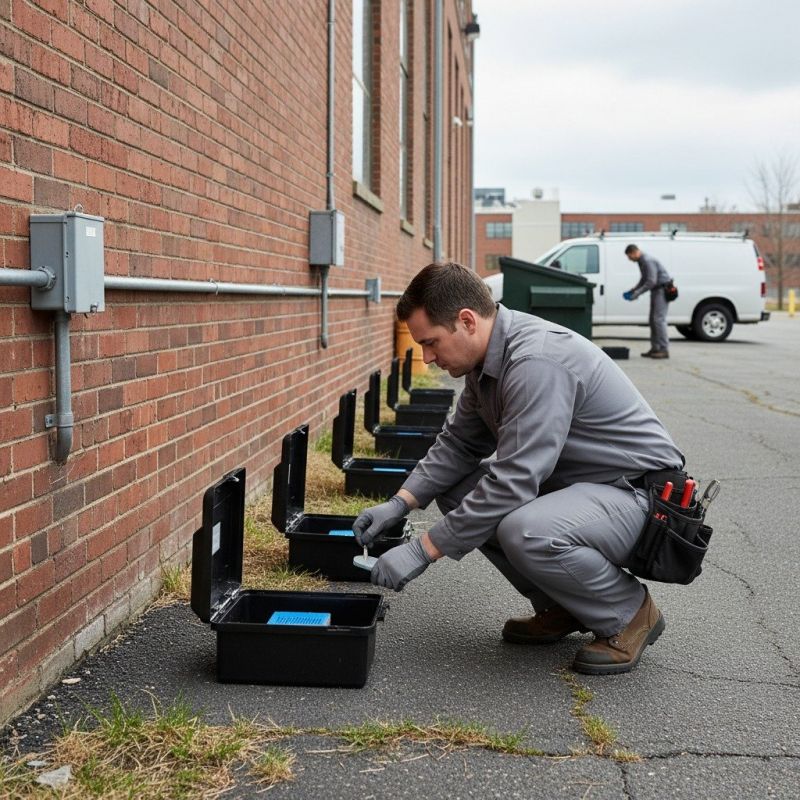
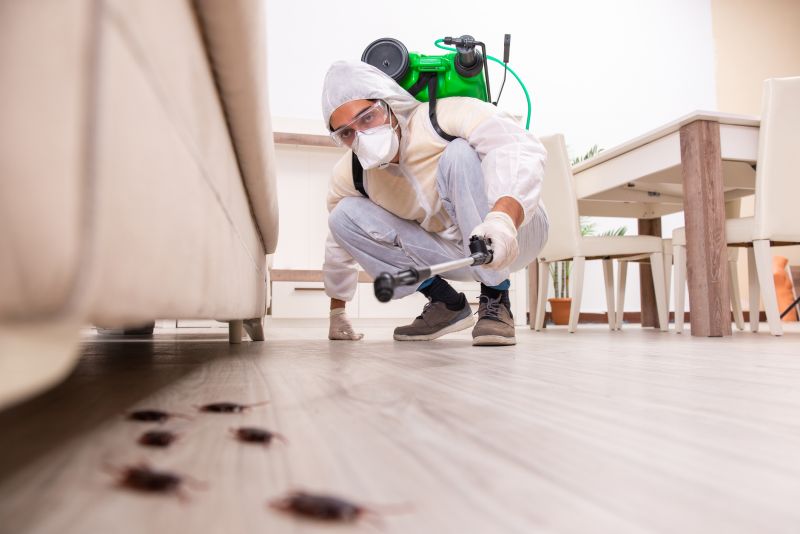
When people search for how routine pest control helps prevent major infestations, they are often looking for ways to protect their homes from unexpected pest problems that can become overwhelming. The focus is typically on understanding how regular treatments can keep pests like ants, cockroaches, spiders, or rodents from establishing a foothold. Homeowners want to know if consistent pest management can reduce the risk of larger, more difficult infestations that might require extensive repairs or costly eradication efforts later on. This search often stems from a desire to maintain a clean, safe living environment and avoid the disruptions caused by pests taking over a property.
Routine pest control is closely related to planning preventative measures that address common pest entry points and attractants around a property. It involves scheduled treatments that target pests early, before they can multiply or cause damage. This proactive approach is designed to disrupt pest life cycles and eliminate potential nesting sites, which can significantly lower the chances of a major infestation developing. Property owners often consider this type of ongoing service as part of their overall pest management plan, especially when they want to avoid the inconvenience and expense of dealing with large-scale pest problems down the line.
The types of properties that typically come up in discussions about routine pest control include single-family homes, multi-family residential buildings, and small commercial properties such as restaurants or retail spaces. Homes are the most common focus, since they provide shelter and food sources for pests. Apartments and condominiums also benefit from regular pest control because pests can easily move between units if not addressed promptly. Commercial properties, especially those involved in food service or hospitality, often require ongoing pest management to meet health standards and prevent infestations that could harm their reputation or operations.
Local service providers who specialize in routine pest control play a key role in helping property owners implement effective prevention strategies. These professionals assess the specific needs of each property, identify potential pest entry points, and develop tailored treatment plans. By maintaining a regular schedule of treatments, they help keep pests at bay and reduce the likelihood of a full-blown infestation. For homeowners and property managers, working with trusted local contractors ensures that pest control efforts are consistent and targeted, ultimately helping to protect the property’s value and safety over time.
Termite Inspection and Treatment - local contractors perform inspections and treatments to identify early signs of termite activity, helping prevent infestations from becoming severe.
Rodent Control Projects - professionals implement trapping, sealing, and exclusion techniques that are essential in preventing rodents from establishing major nests.
Spider and Insect Barrier Services - local service providers apply barrier treatments around properties to reduce the likelihood of infestations developing over time.
Wildlife Removal Services - experts handle the humane removal and exclusion of wildlife that could introduce pests and cause larger infestations if left unchecked.
Mosquito Control Programs - local pros utilize targeted treatments to reduce mosquito breeding sites, helping prevent the spread of pests that can lead to larger populations.
Sanitation and Debris Removal - contractors assist with cleaning and clearing clutter that can serve as hiding spots, supporting routine pest control efforts to prevent major infestations.
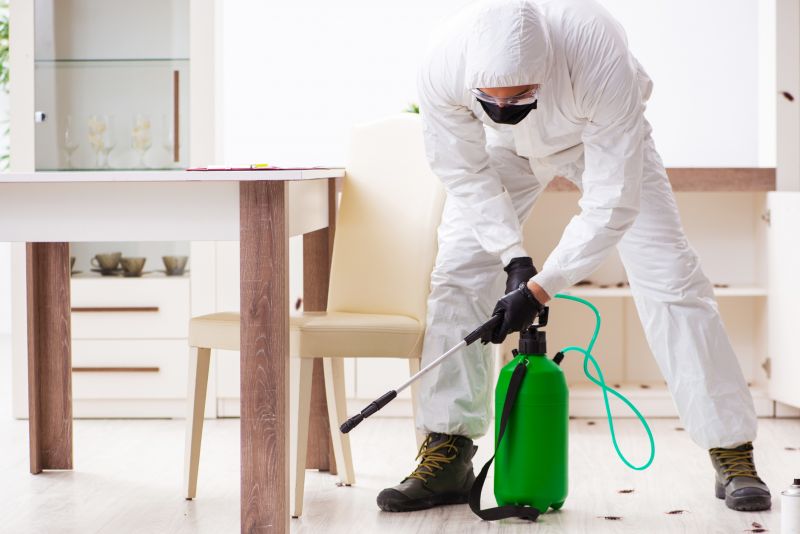
When comparing local contractors for routine pest control services, it’s important to consider their experience with similar projects. Homeowners should inquire about how long the service provider has been handling pest prevention in residential settings and whether they have a track record of successfully managing pest issues through regular treatments. A contractor with extensive experience can better anticipate potential problem areas and tailor their approach to fit the specific needs of a home, helping to prevent major infestations before they develop.
Clear, written expectations are also a key factor when choosing a service provider. Homeowners should seek detailed information about what the routine pest control process entails, including the frequency of treatments, the areas that will be targeted, and any preparations required before service visits. Having this information in writing helps ensure both parties are aligned on the scope of work, reducing misunderstandings and ensuring consistent pest prevention efforts that can effectively ward off larger infestations.
Reputable references and good communication are essential qualities to evaluate in local contractors. Homeowners can ask for references from previous clients who have had similar pest control needs and inquire about their satisfaction with the results. Additionally, a service provider who communicates clearly and promptly about their methods, scheduling, and any concerns demonstrates professionalism and a commitment to customer service. These qualities contribute to a smoother experience and greater confidence that routine pest control will be effective in preventing major pest problems over time.
Property owners often search for how routine pest control helps prevent major infestations when they are planning practical projects around their homes and businesses. Local pros provide Routine Pest Control services for everyday jobs and straightforward project options.

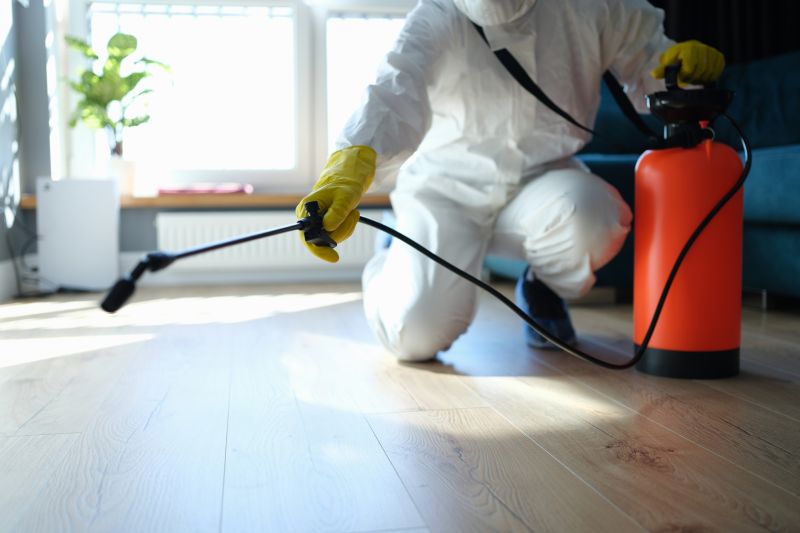
Routine pest control services are essential for property owners who want to stay ahead of potential infestations. Regular treatments help identify early signs of pest activity and address them before they develop into larger problems. This proactive approach can save time, effort, and money by preventing pests from establishing permanent nests or colonies that could cause significant damage or health concerns. Many local contractors offer ongoing pest management plans designed to keep homes and businesses protected, making it easier for property owners to maintain a pest-free environment with minimal disruption.
For those concerned about the impact of pests on their property or health, routine pest control provides a simple, effective solution. Consistent visits from local service providers help maintain a barrier against common pests such as ants, rodents, and insects, reducing the likelihood of major infestations. These professionals use targeted strategies to monitor and control pest activity, which can be particularly beneficial in busy or high-traffic areas. Engaging with routine pest control services can be a practical step for property owners looking to safeguard their spaces and avoid the complications that come with uncontrolled pest problems.
How does routine pest control help prevent major infestations? Regular pest control services target pests early, reducing the chances of small issues turning into large, difficult-to-manage infestations by eliminating pests before they spread.
Why is consistent pest management important for preventing infestations? Consistent treatments help maintain a barrier against pests, addressing new and emerging pest activity promptly to prevent infestation buildup over time.
How do local contractors identify pest activity before it becomes a major problem? Experienced service providers regularly inspect properties for signs of pests, allowing for early intervention that stops infestations before they escalate.
What role does routine pest control play in addressing pest entry points? Routine services often include identifying and sealing entry points, which helps prevent pests from gaining access and establishing a presence indoors.
Can routine pest control reduce the risk of infestations in the long term? Yes, ongoing pest management creates a proactive approach, minimizing the likelihood of major infestations developing over time by controlling pests early and consistently.
Regular inspections - scheduling routine pest control inspections helps identify early signs of pests before they develop into major infestations, allowing for prompt treatment by local contractors.
Preventive treatments - applying preventive pest control treatments around the property reduces the likelihood of pests establishing nests or colonies, making major infestations less likely.
Sanitation tips - local service providers can advise on proper sanitation practices, such as removing food sources and clutter, which support pest prevention efforts.
Property maintenance - addressing structural issues like cracks and leaks with the help of local pros can eliminate pest entry points and reduce the risk of large infestations.
If you are thinking about how routine pest control helps prevent major infestations for a property, this guide is meant to help you understand this topic, the typical project types, and how different options might fit your plans.
When you are ready, you can use the quote form on this page to share a few details about your project. From there, local pros can review the basics and follow up with options that match what you have in mind.