
Compare Local Contractors for Effective Rodent Control Services
Compare local contractors for rodent control to define scope, verify experience, and set clear expectations for effective, reliable property protection.
Rodent control services offered by contractors typically include identifying entry points, setting traps or bait stations, and implementing exclusion measures to prevent future infestations. These services often involve inspecting the property to assess the extent of the rodent problem, determining the most effective methods for removal, and advising on structural repairs or modifications that can reduce the likelihood of re-entry. Understanding what a contractor’s scope covers helps property owners ensure that all aspects of the infestation are addressed, from initial removal to long-term prevention strategies.
Defining the scope of work is a critical step in working with a contractor for rodent control. Clear communication about the specific issues, areas affected, and desired outcomes helps prevent misunderstandings and ensures that the service provider’s approach aligns with the property owner’s expectations. Having a written outline of the scope also provides a reference point for any adjustments or additional services needed later on. This clarity can contribute to a more efficient process and a better overall outcome, as both parties have a shared understanding of what will be done.
Property owners can compare local contractors by examining their experience with similar infestations, the range of services offered, and their reputation within the community. It’s useful to review how each contractor approaches scope definition and whether they provide detailed descriptions of their methods and procedures. Verifying that a contractor’s expertise aligns with the specific needs of the property can lead to more effective results. Additionally, seeking references or reviews can provide insight into how previous clients have experienced working with different service providers, helping owners make informed decisions based on their particular situation.
Compare local contractors by outlining your priorities, verifying experience, and clearly defining scope and expectations in writing.
- Compare Contractor Credentials - Review the experience and reputation of local contractors to ensure reliable rodent control services.
- Define Service Scope Clearly - Establish detailed expectations and the extent of work to prevent misunderstandings.
- Verify Experience and References - Check references and past work to assess a contractor’s expertise in rodent control.
- Get Written Agreements - Ensure all service details, responsibilities, and expectations are documented in writing.
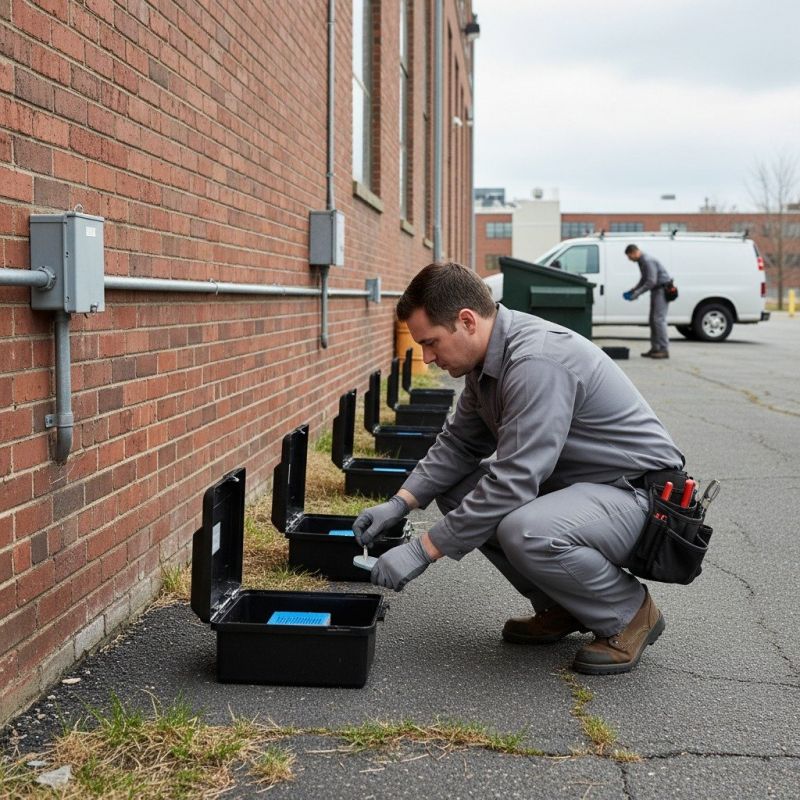
Clearly describe your rodent control project first to help compare local contractors, verify their experience, and set expectations in writing.
- Verify the experience and expertise of the service provider in rodent control methods and procedures. - Ensure the scope of work is clearly defined and documented before the project begins.
- Compare the services offered by different local contractors to determine which best meet specific needs. - Confirm that the contractor uses effective and humane rodent exclusion and removal techniques.
- Check for references or reviews that reflect the contractor’s past performance in rodent control projects. - Make sure the scope of work, responsibilities, and expectations are outlined in a written agreement.
- Assess the contractor’s approach to identifying entry points, nesting areas, and food sources for rodents. - Clarify what follow-up or ongoing maintenance services are included or recommended.
- Ensure the contractor explains their methods and procedures clearly to facilitate understanding and agreement. - Confirm that the scope of work and expectations are documented in writing to prevent misunderstandings.
Compare local contractors, clarify scope, verify experience, and document expectations for effective rodent control.
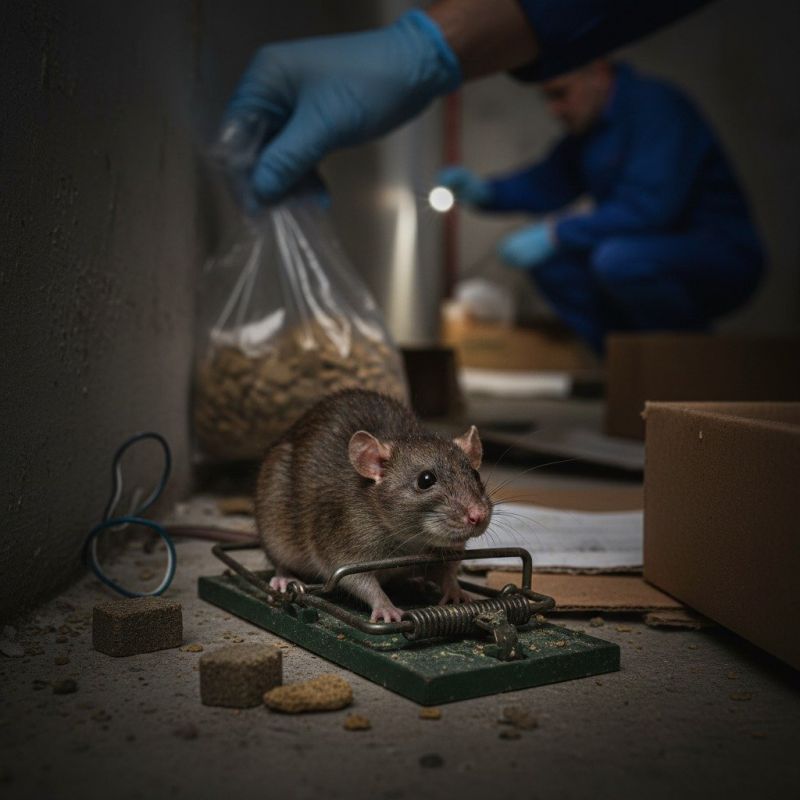


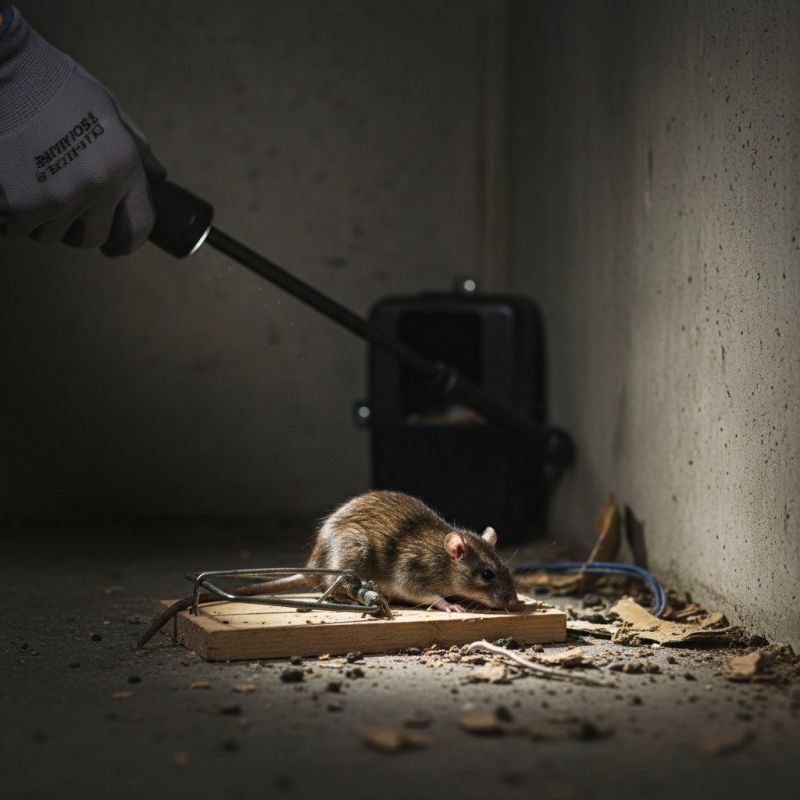
This scope builder helps compare local contractors, define work details, verify experience, and set clear expectations.
- Scope Definition - Clearly outline the specific areas and structures to be treated for rodent control.
- Method Selection - Specify the pest control methods and techniques that will be used by the service provider.
- Experience Verification - Confirm the contractor’s experience with rodent control projects similar in scope and complexity.
- Material and Equipment Use - Detail the types of materials and equipment the service provider plans to utilize during the service.
- Written Agreement - Ensure all scope details, expectations, and procedures are documented in a formal agreement.
When comparing contractors for rodent control services, it is important to evaluate their experience with similar projects. Homeowners should inquire about how long a service provider has been handling rodent issues in residential settings and whether they have worked with properties comparable in size and structure. A contractor’s familiarity with common entry points, nesting habits, and effective removal techniques can indicate their ability to address the specific challenges of a particular home. This background helps ensure that the chosen service provider has a solid understanding of the scope and nuances involved in rodent control.
A clear, written scope of work is essential when selecting a contractor. Homeowners should seek detailed descriptions of the services included, such as inspection procedures, exclusion methods, trapping, baiting, and follow-up visits. Having a documented scope helps set expectations and provides a basis for understanding what the project entails. It also allows homeowners to compare different service providers based on the comprehensiveness of their offerings, ensuring that the chosen contractor’s approach aligns with the homeowner’s needs.
Verification basics involve confirming that contractors have a proven track record of successful rodent control projects in similar environments. Homeowners can ask for references or examples of past work, focusing on projects that resemble their own property. Additionally, verifying that a service provider follows industry best practices and maintains proper documentation of their procedures can be helpful. This verification process helps establish confidence that the contractor is capable of delivering reliable results based on their experience and proven methods.
Evaluating options without considering prices involves focusing on the contractor’s experience, scope of work, and verification of their background. Homeowners should compare how thoroughly each service provider understands their specific situation and whether their proposed scope addresses all necessary aspects of rodent control. It is also beneficial to assess the clarity and professionalism of the written scope and any available references or project examples. By concentrating on these factors, homeowners can make informed decisions that prioritize quality and suitability, leading to a more effective and satisfactory rodent control solution.
Ask contractors to provide written descriptions of the scope of work to ensure clear expectations and consistent service.
- Experience and Expertise - What experience do local contractors have in handling rodent control for similar properties?
- Scope of Services - How do contractors define and clarify the scope of work included in their rodent control services?
- Methods and Techniques - What methods and techniques do service providers use to effectively eliminate rodents and prevent future infestations?
- Warranty and Follow-up - Do contractors offer any written guarantees or follow-up services to ensure the problem is resolved?
- Communication and Expectations - How do local service providers communicate project details and set clear expectations in their proposals?
What should I consider when choosing a contractor for rodent control? It's important to compare local service providers based on their experience, reputation, and the scope of services offered. Ensuring clear communication about the work scope and expectations can help in selecting a suitable contractor.
How can I verify a contractor's experience with rodent control? You can review their background, ask about their previous projects, and seek references or reviews to assess their familiarity with handling rodent issues effectively.
What questions should I ask a contractor before hiring for rodent control? Inquire about their methods, the extent of their services, and how they plan to address your specific situation. Clarifying these details helps set proper expectations.
Why is it important to have a written agreement with a contractor? A written agreement clearly defines the scope of work, responsibilities, and expectations, reducing misunderstandings and ensuring both parties are aligned on the project details.
How do I compare different contractors for rodent control services? Consider their experience, service offerings, reputation, and the clarity of their communication. Comparing these factors can help identify the best fit for your needs.
What role does defining the scope of work play in hiring a contractor? Clearly outlining the scope ensures that the contractor understands what is expected, which helps in achieving the desired results and avoiding potential disputes.
By reviewing the information presented, visitors can gain a clearer understanding of how to identify and compare contractors capable of handling rodent control services. Emphasizing the importance of defining the scope of work, verifying experience, and establishing clear expectations in writing helps ensure a well-informed decision-making process. Using the quote form to explore local service providers offers an efficient way to connect with contractors who meet specific needs and preferences.
Utilizing the quote form allows visitors to compare options among nearby contractors, making it easier to find service providers suited to their requirements. This approach encourages thoughtful consideration of each contractor’s experience and scope of work, helping to facilitate a smooth and transparent selection process.