
Compare Local Contractors for Effective Insect Control Services
Compare local contractors for insect control to define your project scope, verify experience, and set clear expectations for effective property protection.
Insect control services typically cover a range of treatments aimed at managing and eliminating common pests such as ants, cockroaches, spiders, termites, and other nuisance insects. These services often include inspection of the property to identify pest activity and entry points, application of targeted treatments to affected areas, and recommendations for ongoing prevention. Some contractors may also offer specialized solutions for specific pests or property types, ensuring that the approach aligns with the unique needs of each property owner. Understanding what a contractor's services encompass can help ensure that all pest issues are addressed effectively and that the treatment plan is comprehensive.
Defining the scope of an insect control project is a crucial step in establishing clear expectations and ensuring the work meets the property owner’s needs. A well-outlined scope details which pests will be targeted, the areas to be treated, and any follow-up or preventative measures included in the service. Clarifying these details in writing with the contractor helps prevent misunderstandings and provides a reference point for the work to be performed. It also allows property owners to verify that the proposed services align with their concerns and to ask questions about any aspects of the treatment plan before work begins.
When comparing local contractors for insect control services, property owners should consider their experience handling similar properties and pest issues. It’s helpful to review the scope of services offered to ensure they match specific needs, and to ask for details about the methods used and the steps involved. Verifying how each contractor approaches pest identification, treatment application, and prevention strategies can provide insight into their expertise. Additionally, checking references or seeking recommendations can assist in assessing the reliability and professionalism of service providers. By gathering this information, property owners can make informed decisions and select a contractor whose approach aligns with their expectations for effective pest management.
Compare local contractors by outlining project priorities, verifying experience, and setting clear expectations in writing.
- Compare Local Contractors - review multiple insect control service providers to find the best match for specific needs.
- Define Service Scope - clearly outline the areas and types of insects to be addressed in the project.
- Verify Experience and Expertise - assess the background and specialization of local contractors to ensure qualified service.
- Document Expectations in Writing - establish and agree upon the scope, methods, and responsibilities through written agreements.
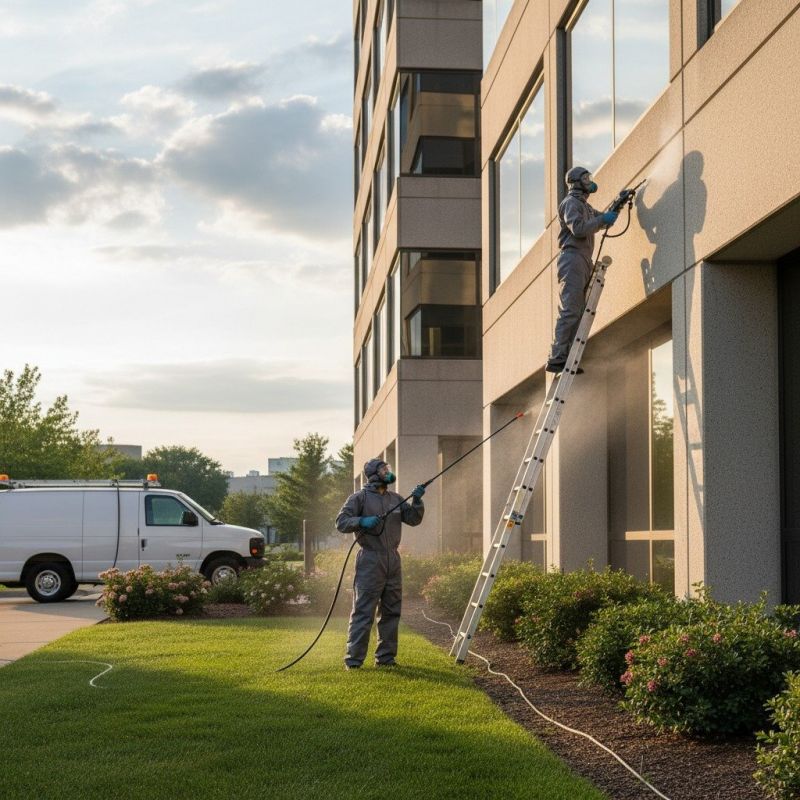
Clearly describe your insect control project to help compare local contractors, define scope, verify experience, and set expectations in writing.
- Verify the experience and reputation of local contractors specializing in insect control services. - Ensure contractors clearly define the scope of work and insect species targeted in written agreements.
- Compare multiple service providers to assess their methods and approach to insect management. - Look for detailed descriptions of treatment techniques and preventive strategies.
- Check that contractors provide comprehensive written estimates outlining the services to be performed. - Confirm that scope, responsibilities, and expectations are clearly documented.
- Assess the level of communication and transparency offered by potential service providers during the consultation process. - Prioritize contractors who are responsive and willing to discuss treatment plans in detail.
- Confirm that service providers follow proper protocols for safety and pest management practices. - Ensure they adhere to industry standards and use appropriate treatment methods.
- Request references or reviews to evaluate the quality of insect control services delivered by local contractors. - Use feedback to compare reliability and effectiveness before making a selection.
Compare local contractors, verify experience, and clearly define scope to ensure effective insect control services.
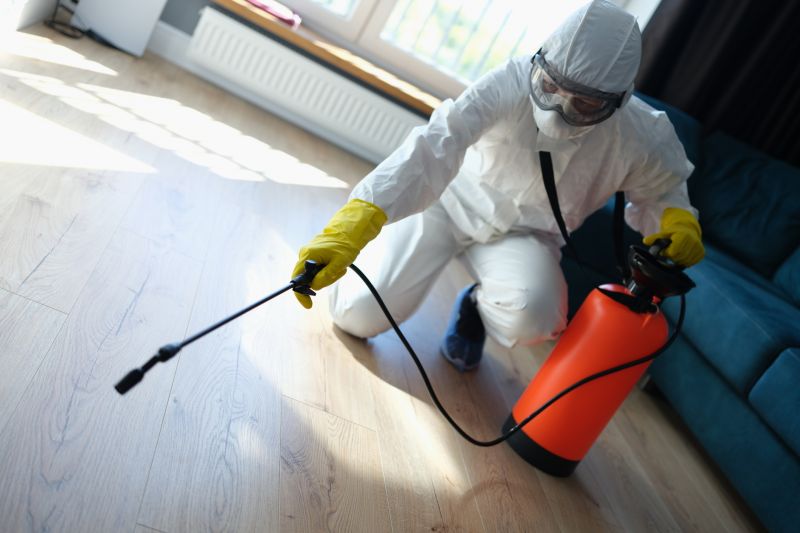

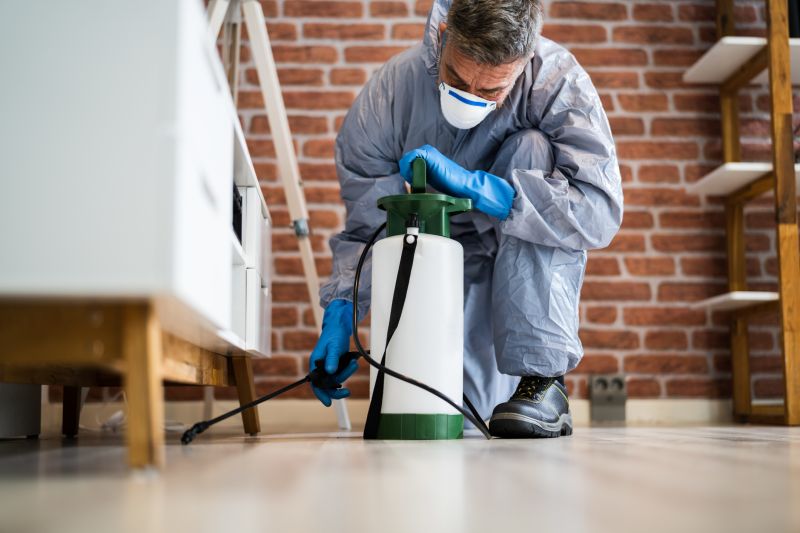
Learn how to compare, define scope, verify experience, and set clear expectations with local contractors for insect control.
- Define the scope of insect control services needed to ensure clarity on the specific pests and areas to be treated.
- Verify the experience and background of service providers to confirm their familiarity with the type of insect issues present.
- Request detailed descriptions of the methods and products used to understand the approach and materials involved in the treatment.
- Establish clear expectations in writing regarding the service process and coverage to prevent misunderstandings and ensure all parties agree on the scope.
- Compare multiple local contractors based on their service offerings, experience, and scope definitions to find the most suitable option.
When comparing contractors for insect control services, it’s important to evaluate their experience with similar projects. Homeowners should inquire about the types of insect issues the service providers have handled in the past, ensuring they have relevant background with the specific pests and environments involved. A contractor’s familiarity with residential settings comparable to the homeowner’s property can provide insight into their ability to deliver effective solutions tailored to unique situations.
A clear, written scope of work is essential for setting expectations and avoiding misunderstandings. Homeowners should seek detailed descriptions of the services included, such as inspection procedures, treatment methods, and follow-up plans. Having a documented scope helps ensure that both parties agree on what will be done, providing clarity and a basis for accountability throughout the project.
Verification basics involve confirming that the contractor’s experience aligns with the homeowner’s needs and that the scope of work is comprehensive and well-defined. It’s advisable to ask for references or examples of completed projects similar in scope and complexity. Additionally, reviewing any available documentation or communication that outlines the treatment plan can help verify that the service provider understands the specific requirements of the job and can deliver as expected.
Evaluating options without focusing on prices involves assessing the professionalism, transparency, and thoroughness of each contractor’s proposal. Homeowners should compare how clearly each service provider explains their approach, the details of the scope, and their process for handling the project. Considering the contractor’s ability to communicate effectively and provide comprehensive written information can help identify the most reliable and suitable service provider for insect control needs, ensuring a smooth and informed decision-making process.
Ask contractors to provide written scope details to ensure clear, consistent expectations for insect control services.
- Scope of Insect Control - What specific services and pests are included in each contractor's insect control offerings?
- Experience and Expertise - How long have the local contractors been providing insect control services and what types of infestations have they handled?
- Service Methods and Techniques - What techniques and products do the service providers typically use to manage insect problems?
- Work Guarantees and Warranties - Do the contractors offer any written guarantees or warranties for their insect control treatments?
- Comparison of Service Approaches - How do the local contractors' methods and scope of work differ to help clarify what each service includes?
What should I consider when choosing an insect control contractor? It's important to compare the experience, reputation, and services offered by different local contractors to ensure they meet the specific needs of your property.
How can I verify a contractor’s experience in insect control? You can review their previous work history, ask for references, or check for any industry affiliations that demonstrate their expertise in insect management.
What questions should I ask a contractor before hiring? Inquire about their scope of services, methods used, and how they handle specific insect issues to ensure their approach aligns with your expectations.
Why is it important to have a written scope of work? A written scope clearly defines the services to be provided, helping to set expectations and avoid misunderstandings during the project.
How do I compare different insect control service providers? Consider their experience, scope of services, reputation, and the clarity of their communication to determine which contractor best fits your needs.
What role does communication play in selecting a contractor? Clear, detailed communication helps ensure that all parties understand the scope, methods, and expectations, leading to a smoother insect control process.
This page has outlined key considerations for selecting contractors who provide insect control services. Visitors learned how to define the scope of the work, verify experience levels, and set clear expectations through written agreements. Comparing different service providers can help ensure choices align with specific needs and preferences, making it easier to find the right fit for the job.
Using the quote form allows for a straightforward way to connect with local contractors capable of handling insect control tasks. It provides an opportunity to gather information and compare options among nearby service providers, helping to make informed decisions based on individual requirements and project details.